Isometric graph paper
Draw along three directions with equal spacing for isometric sketches.
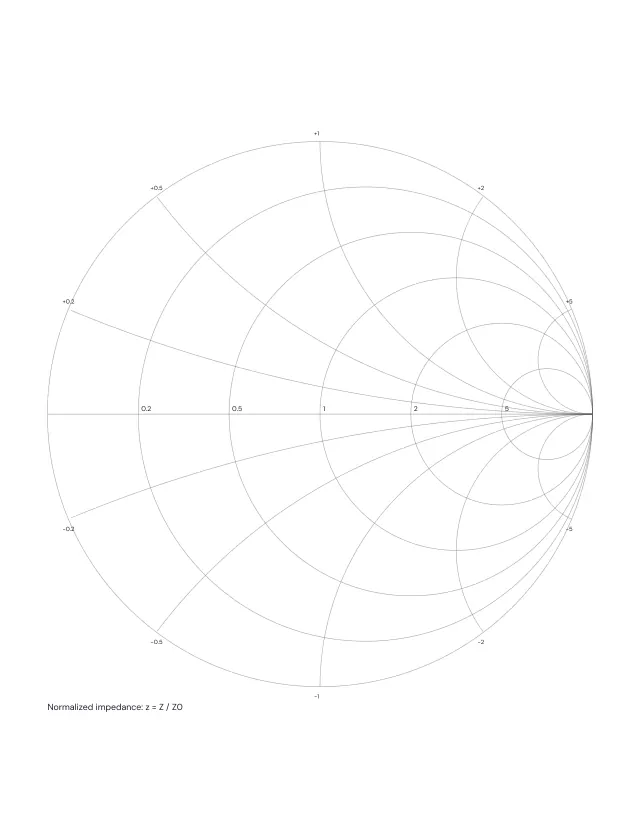
Plot normalized impedance on resistance circles and reactance arcs. The chart is drawn from the impedance-to-reflection formula.
1 page · US Letter · Portrait
Free, with no account, email or watermark. Print at 100% or Actual size.
Also as an image, for a note-taking app or a design program:
Ready-made PDF (Letter) · Free to print and share copies · Check your print size
Divide the impedance by the line’s own impedance first. On a 50-ohm line, a load of 50 + j50 ohms is z = 1 + j1: plot it where the circle marked 1 meets the arc marked +1. Positive reactance, inductive, is in the upper half and negative, capacitive, in the lower. The centre is z = 1, a perfect match; the left end of the line across the middle is a short circuit and the right end an open circuit.
Use Actual size or 100% in the print dialog. Fit to page changes the spacing. Full-page patterns can be clipped by a printer that cannot print to the edge.
Draw along three directions with equal spacing for isometric sketches.
Draw isometric sketches on dots arranged in equilateral triangles. Spacing is the distance between neighbouring dots.
A regular hexagon grid for maps, games and designs. Spacing sets the hexagon side length.
An equilateral triangle grid. Spacing sets the triangle side length.
Concentric circles with angle guides for plotting radius and angle.
Both axes use logarithmic spacing over three decades.
A logarithmic horizontal axis and a linear vertical axis.
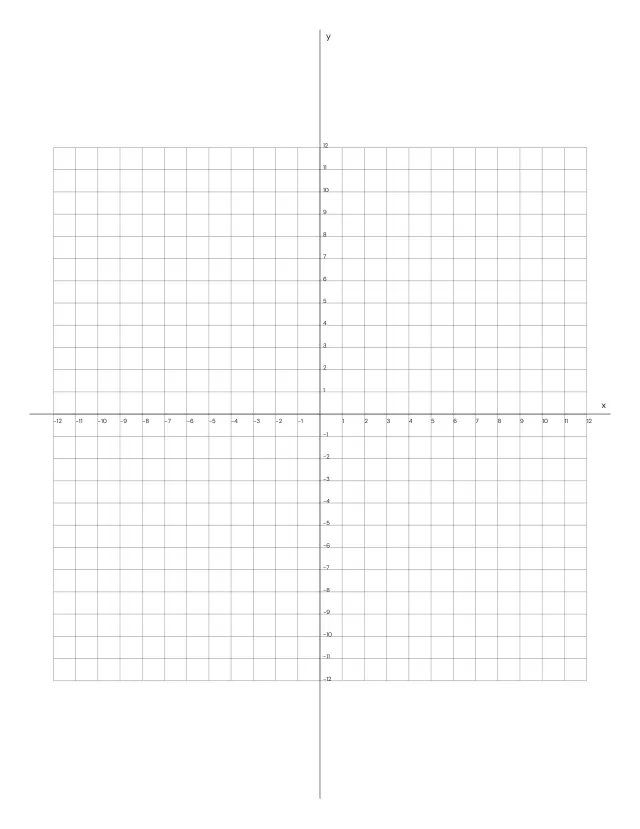
A numbered coordinate grid with positive and negative axes.
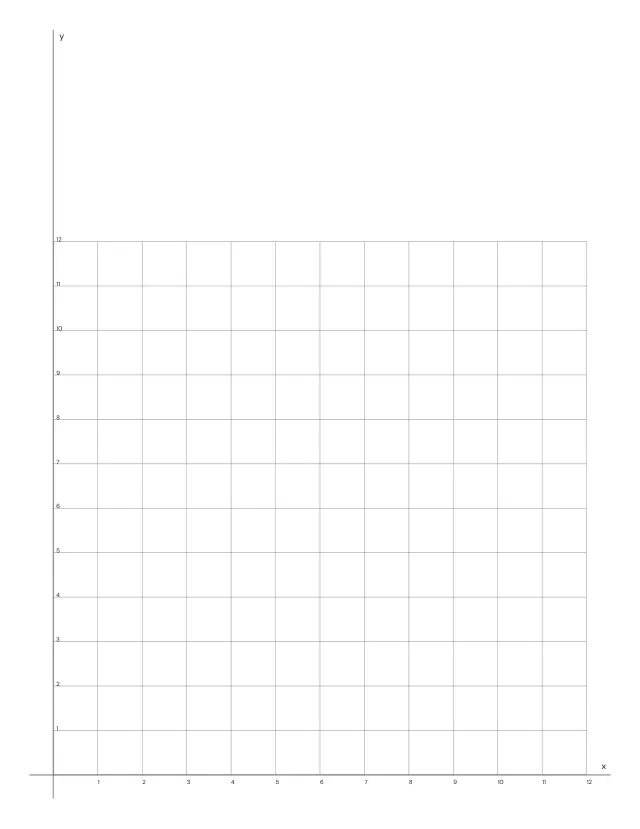
Positive x and y axes starting at the bottom left.
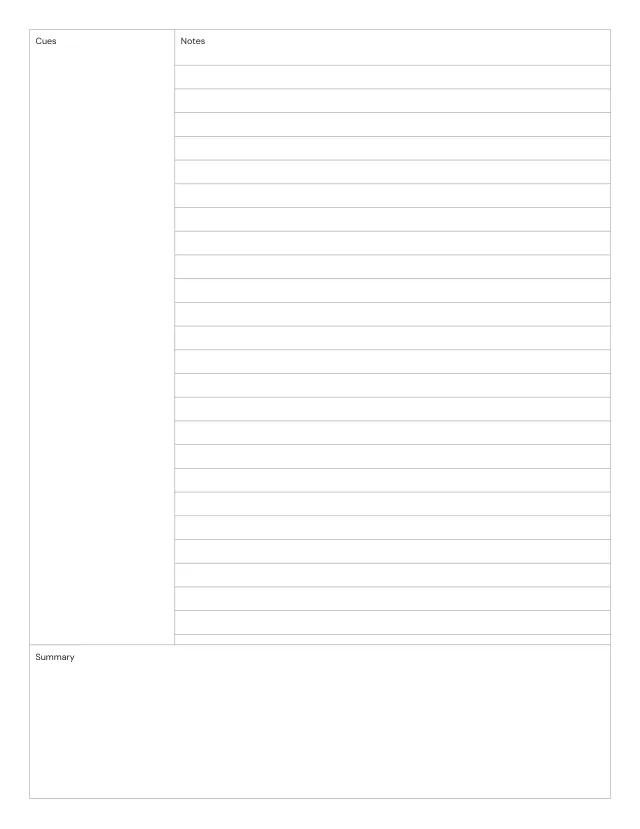
A cue column, lined notes area and summary box on the same sheet.
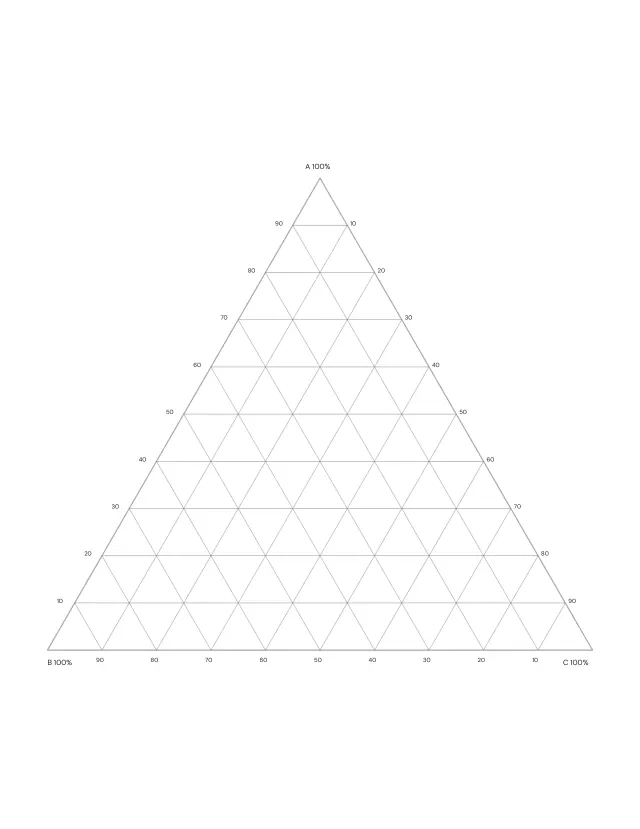
Plot three proportions that total 100%. Each family of parallel lines marks a 10% step.
No sheets match that. Try a shorter word.
Use the same paper size in the PDF and printer settings. Choose Actual size or 100%. Print a sample before making copies.